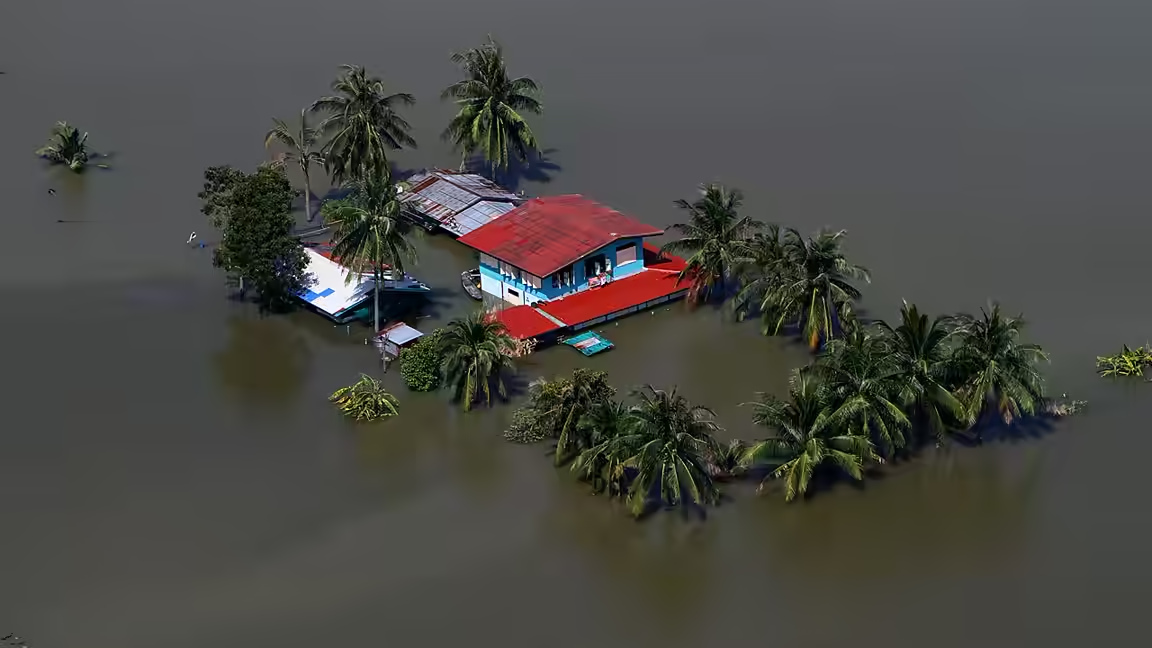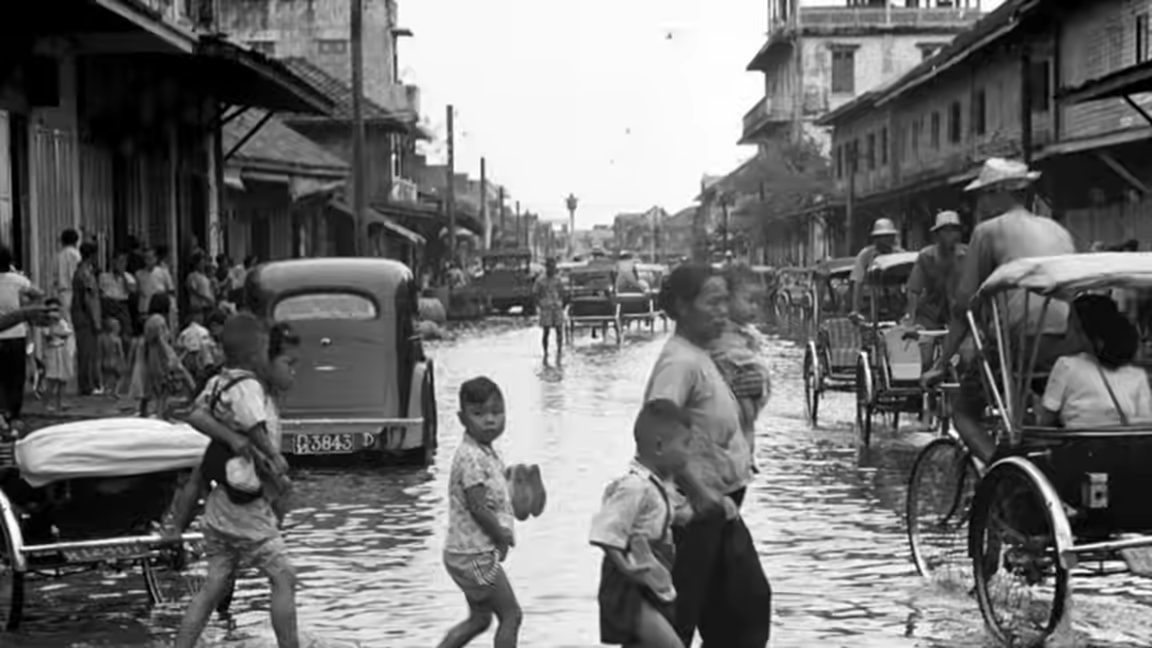
At least 81 people died in India’s Uttar Pradesh state after three days of heavy rain triggered flooding across several districts, state officials said on September 28. Authorities reported 46 injuries and damage to more than 1,000 houses as rescue teams moved residents away from inundated areas.
Schools closed in affected parts of the northern state, including the capital, Lucknow. Officials advised people to avoid unnecessary journeys through waterlogged streets and to keep away from rivers, streams and drains where fast-moving water could create additional danger. The emergency response was continuing as communities assessed damage to homes and local infrastructure.
Forecasters expected conditions to begin easing after a weather system over the Bay of Bengal weakened. Atul Kumar Singh, a senior scientist at the Regional Meteorological Centre in Lucknow, said lighter rain could nevertheless continue in eastern and western areas of Uttar Pradesh through September 29. The possibility of further rain meant standing water and swollen waterways remained a concern even as the main system lost strength.
The same spell of severe weather affected a wider area of South Asia. In the eastern Indian state of Odisha, officials said more than 75,000 people had been evacuated to safer locations. The available report did not give a death toll for Odisha, but the scale of the evacuation indicated that authorities were taking precautions across multiple exposed communities.
Neighbouring Nepal recorded 21 deaths in weather-related incidents between September 24 and September 27, according to the country’s disaster-management agency. Five people were still missing and another five were injured. Floods and landslides damaged 194 houses, adding to the pressure on communities and emergency services.
Nepal was already recovering from exceptionally destructive flooding in August. The latest report said that earlier disaster killed more than 1,400 people and left nearly 6,000 missing. The new deaths therefore came while the country was still dealing with displacement, damaged housing and an extensive unresolved missing-person count from the previous month.
The figures from Uttar Pradesh and Nepal describe separate national responses but a shared regional hazard: intense rainfall can rapidly combine river flooding, urban waterlogging and landslides. Officials had not yet provided a complete district-by-district account of losses, and the available totals could rise as isolated areas report damage. Immediate priorities included relocating people from unsafe areas, keeping schools closed where travel was hazardous and warning residents against entering floodwater. With rain forecast to weaken rather than stop everywhere at once, officials continued to urge caution while rescue and damage-assessment work proceeded.