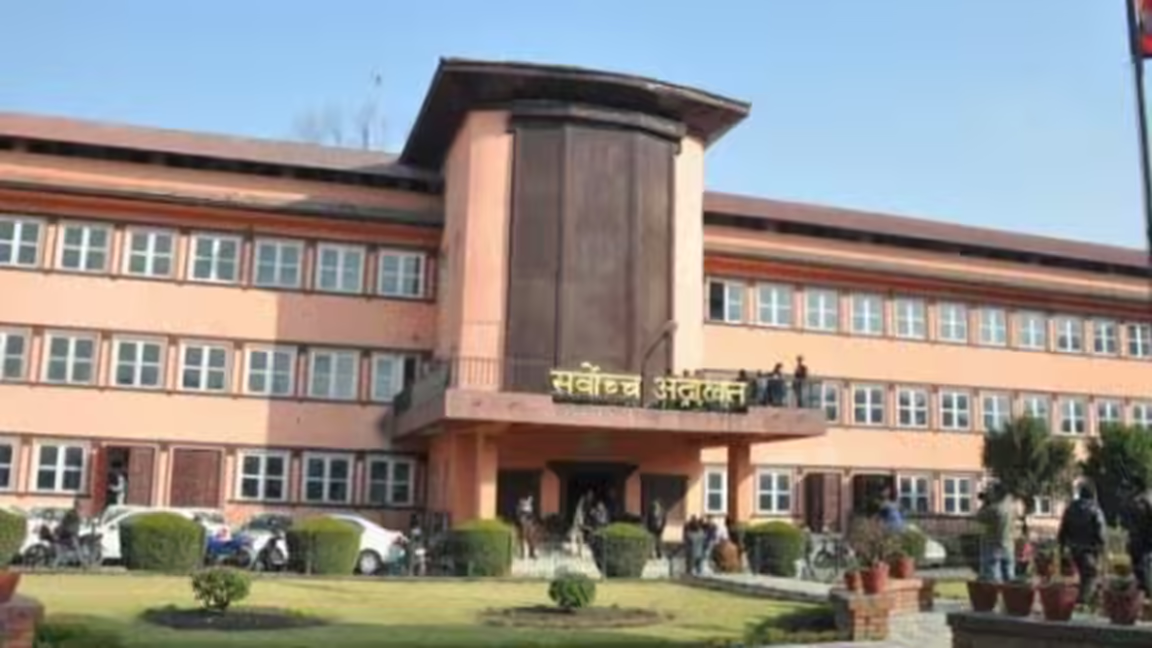
Nepal's Supreme Court has directed the government to create arrangements for controlled cannabis cultivation and production, opening a path to regulated uses decades after the country withdrew licences for the crop.
The framework identified by the court would cover medicinal, scientific, agricultural, horticultural and industrial purposes. The court separately called for broader consultation on recreational use, meaning the ruling does not amount to general legalisation of marijuana consumption.
Although the judgment was issued in May 2025, its full text became public only this week. Court documents had been destroyed in a fire during protests in September 2025 that toppled the government, delaying publication. Release of the text now gives officials and advocates a clearer basis for debating how controlled cultivation should work.
Nepal ended licensed cannabis sales in 1973 amid international pressure during a United States-led campaign against drugs. Before that change, government-licensed shops made Kathmandu a destination for foreign travellers seeking hashish. Cannabis nonetheless retained deep roots in the country: the plant grows wild, and its stems, leaves and resin have long been used in food, textiles and traditional remedies.
Current penalties remain substantial outside any future regulated system. Marijuana dealers can face prison terms of up to 10 years, and police routinely seize and destroy plants. The ruling therefore requires implementing action before farmers or businesses can assume cultivation covered by the decision is lawful in practice.
Saroj Adhikari, one of the petitioners, welcomed the decision and argued that strong regulation could generate state revenue and reduce illicit trade. Former health minister Birodh Khatiwada, who sponsored a related parliamentary motion in 2020, said regulated cultivation could create jobs and income. Those economic outcomes are supporters' arguments, not guarantees made by the court.
Cannabis also remains visible in Nepal's religious life. Hundreds of holy men gather annually at Kathmandu's Pashupatinath temple, where they smoke openly. That tradition does not remove the broader restrictions that police continue to enforce elsewhere.
The judgment places Nepal among countries reconsidering blanket cannabis prohibitions while drawing a line between defined commercial, scientific and medical uses and the more contested issue of recreation. The next steps belong to the government: it must translate the direction into rules covering licences, permitted varieties and uses, enforcement and oversight.
The released judgment supplies the legal direction, but the source account does not provide a timetable for the government response. Until rules are adopted, the decision is best understood as an instruction to build a controlled system rather than immediate permission for unrestricted cultivation or sale.