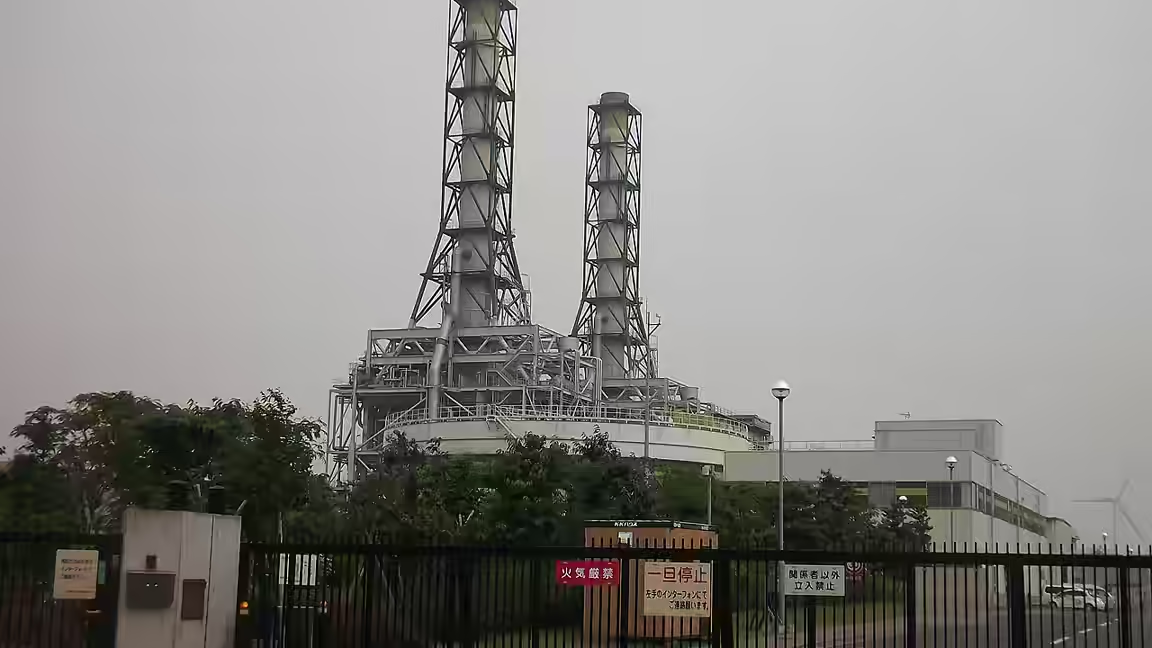
Anthropic’s contracted US data-center capacity could draw about 87% of its electricity from natural gas and 11% from coal in 2028, according to a new analysis by the Better Data Center Project. The estimates are projections, not measured consumption, and depend on assumptions about which power plants respond to new demand.
The research group assembled disclosed compute commitments and linked specific data-center sites to on-site generation or regional grids. It says Anthropic had contracted 15 gigawatts of compute capacity by October 2026, with roughly 5.9 to 9.6 gigawatts tied to identified locations. The analysis then modeled the additional, or marginal, generation likely to serve those facilities rather than assigning them the average mix of every generator on a grid.
For sites with dedicated gas equipment or newly associated gas plants, the researchers used permit information when available and comparable facilities otherwise. For grid-connected projects without a named new plant, they used the US Environmental Protection Agency’s AVERT model to estimate which dispatchable generators would respond in each region. They assumed power-usage-effectiveness values between 1.1 and 1.2 and utilization of 60% to 80%, ranges that materially influence the result.
Under that approach, the project estimates annual power-related emissions of 17 million to 38 million metric tons of carbon-dioxide equivalent in 2028, with 32 million tons in its mid-case. It also projects an average carbon intensity of 1,033 to 1,076 pounds of carbon-dioxide equivalent per megawatt-hour. These numbers should be read as scenario outputs: actual emissions will depend on how quickly capacity opens, how heavily it operates, changes to grid generation and any new clean-energy contracts.
The report says Anthropic has discussed broadening its mix with geothermal, wind, solar and emerging technologies, while identifying publicly disclosed renewable commitments in Norway and Canada rather than the United States as of November 2026. It also points to planned on-site gas capacity and argues that near-term incremental demand will chiefly be served by fossil generation.
This methodology differs from annual renewable-energy accounting, where companies may buy certificates or sign contracts elsewhere to match consumption. The Better Data Center Project is instead asking what physical generators are likely to increase output when new facilities connect. That choice explains both the high fossil share and why the estimates may differ from corporate electricity claims based on contractual matching.
The analysis adds a concrete, if uncertain, estimate to the debate over AI infrastructure’s energy impact. Its central warning is that rapid compute expansion can lock in new combustion capacity before cleaner supply catches up. Whether the projection proves accurate will depend on Anthropic’s final site portfolio, operating levels and future energy agreements, as well as decisions by utilities and regulators about what generation gets built.