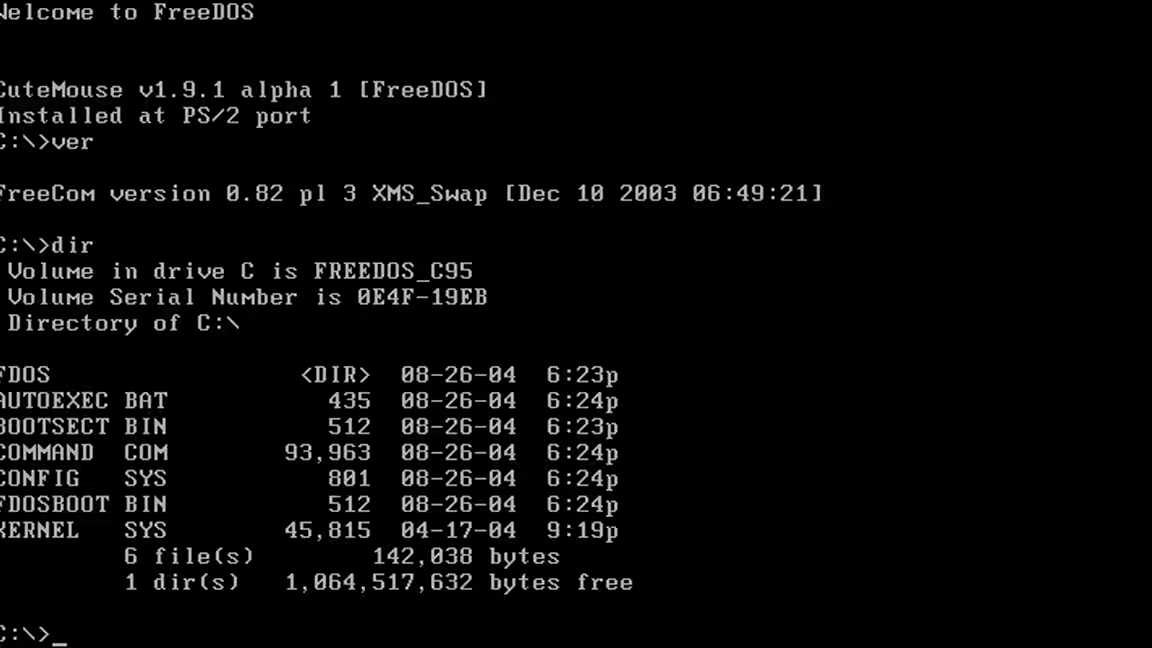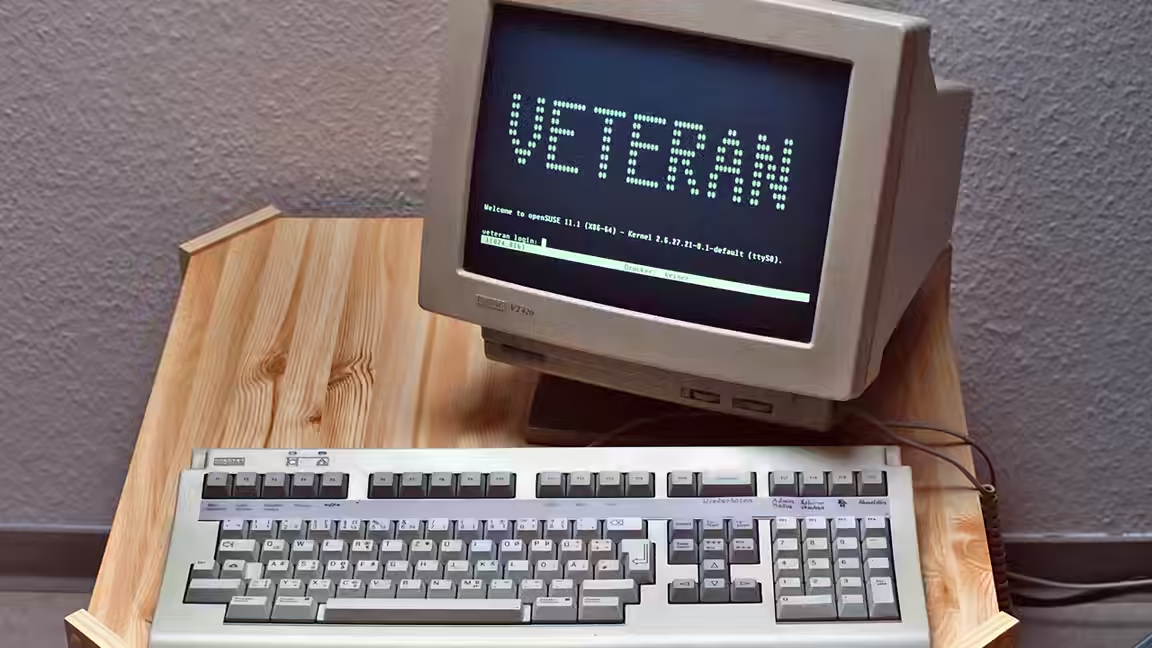
An independent developer has released WorldTUI, an experimental terminal interface generated entirely by a language model rather than backed by a conventional shell, filesystem or operating-system process. The project turns each keypress into a model input and predicts how the terminal screen should change, creating the appearance of commands, editors and games running inside a browser.
The model contains about 360 million parameters and was derived from Qwen2.5-Coder-0.5B. Its creator trained it on terminal sessions captured from real programs inside Docker containers. The resulting demo can imitate common command-line behavior, open simulated Vim and tmux sessions, and even run a version of Snake. Because no real shell sits behind the interface, deliberately misspelled commands can expose the simulation.
A terminal offered a constrained test bed for a broader idea: software interfaces generated as learned environments. Instead of predicting pixels, WorldTUI represents the display as a grid of characters. The model receives a snapshot of that grid, cursor information and raw bytes corresponding to a user's input. It then outputs instructions describing which rows to rewrite and where to place the cursor.
The system also includes compact operations for changes that would otherwise require large outputs. When a terminal scrolls, for example, the model can copy existing rows instead of generating every character again. Grammar-constrained decoding ensures that predictions form valid screen-update instructions. The model uses a vocabulary of 333 tokens, including byte values, row identifiers and special operations.
Training data ultimately covered roughly 336,000 episodes, representing about two billion tokens. The developer also added correction examples based on the model's own mistakes, a technique intended to stop small errors from compounding through longer sessions. Three rounds of this process helped the model learn to repair inconsistencies when the correct information was available in earlier screens or user input. The reported PresetBench score rose from 24 of 47 tests to 38 of 47 at four-bit quantization.
The approach separates appearance from execution. A convincing command response does not mean files exist, and an editor buffer is only model state represented on screen. That boundary makes the demo useful for studying consistency and failure modes, while showing why predicted interfaces cannot inherit the reliability of deterministic programs.
The browser package is about 208 MB and relies on WebGPU, with Chrome or Edge recommended on a desktop computer. Training and refinement reportedly required about 75 GPU-hours on an RTX 4090. WorldTUI remains a research-style demonstration, not a secure or functional replacement for a terminal. Its significance lies in showing how a relatively small model can preserve enough state to imitate interactive software while operating entirely through predicted interface updates.